

7 sömnmyter som förstör din vila (motbevisade av vetenskapen)
Du kan inte träna dig att behöva mindre sömn. Alkohol hjälper dig inte vila. Och '8 timmars'-regeln är inte vad du tror. Här är vad forskningen faktiskt säger.

By Dr. Sarah Mitchell
Viktiga slutsatser
- —Sömnbehovet är individuellt — men nästan ingen klarar sig verkligen på färre än 7 timmar
- —Många populära sömnuppfattningar är föråldrade eller direkt motbevisade av modern forskning
- —Dåliga råd leder till dåliga vanor, vilket leder till dålig sömnkvalitet
Myt 1: Alla behöver exakt 8 timmar
Verkligheten: Sömnbehovet varierar mellan personer. Det rekommenderade intervallet är 7–9 timmar för vuxna, och var du hamnar i det intervallet beror på genetik, aktivitetsnivå och ålder. Cirka 1–3 % av befolkningen bär på en genvariant som låter dem fungera på 6 timmar — men om du inte har gentestats är du förmodligen inte en av dem.
Det bättre måttet: Vaknar du utvilad och håller energin uppe hela dagen utan koffein? Om ja, får du tillräckligt. Om inte, gör du förmodligen inte det.
Myt 2: Alkohol hjälper dig sova
Verkligheten: Alkohol hjälper dig att slockna. Det är inte samma sak som att sova. Den hämmar REM-sömn (stadiet din hjärna behöver för emotionell bearbetning och kreativt tänkande), ökar nattliga uppvaknanden under andra halvan av natten och förvärrar sömnapné.
En drink före sängen kanske får dig att slockna snabbare, men sömnen du får blir ytlig och fragmenterad. Du vaknar med känslan av att knappt ha vilat — för det gjorde du knappt.
Myt 3: Du kan "ta igen" helgsömn
Verkligheten: Du kan delvis återhämta dig från en eller två dåliga nätter, men kronisk sömnskuld ackumuleras. Helgens inhämtningssömn kan hjälpa mot akut trötthet, men forskning visar att den inte reverserar de metaboliska, hormonella och kognitiva skador som uppstår av veckor av för lite sömn.
Lösningen är inte maratonsömn på söndagar — det är konsekvent, kvalitativ sömn varje natt.
Myt 4: Snarkning är bara irriterande, inte farligt
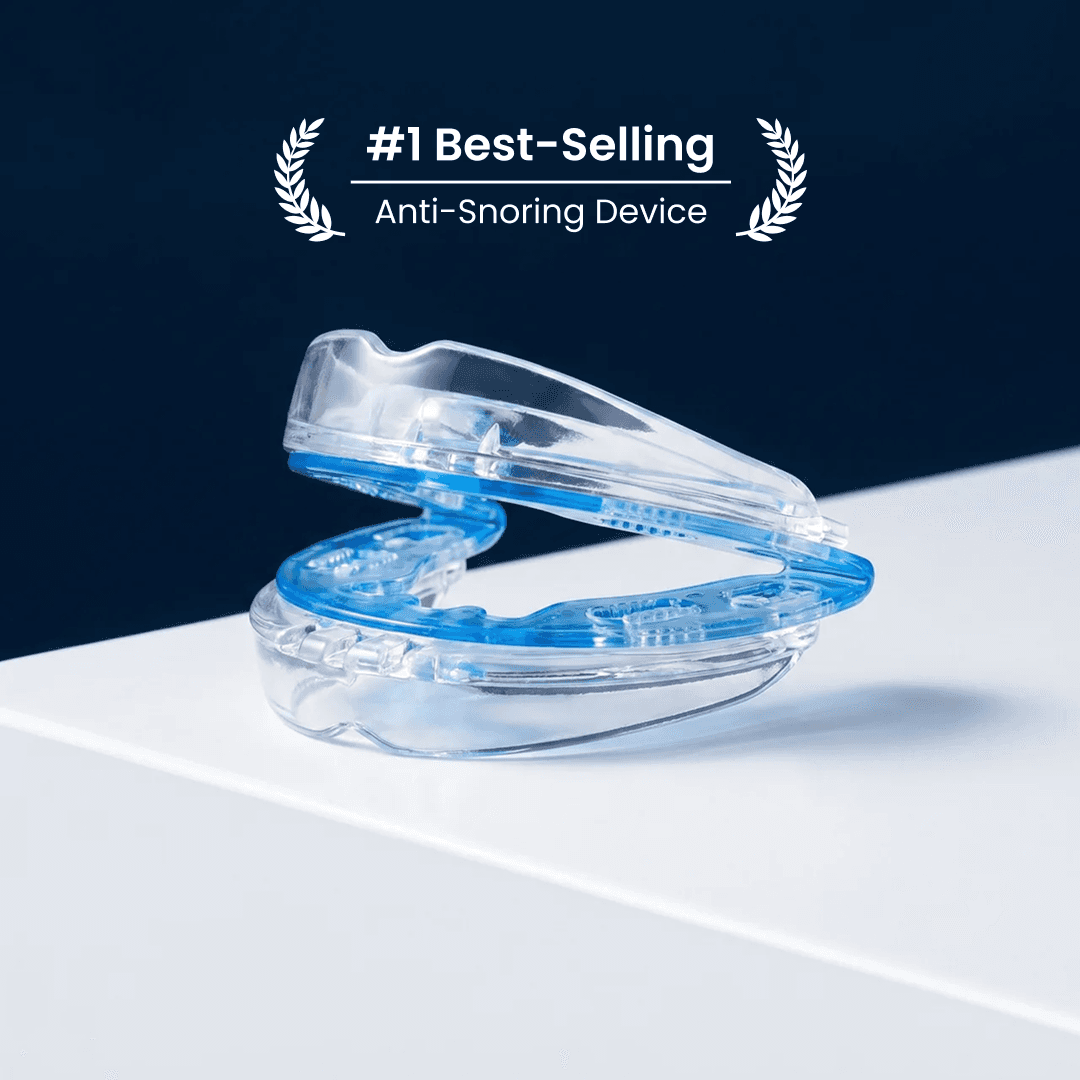
Verkligheten: Lätt, tillfällig snarkning är vanligtvis ofarlig. Men regelbunden, högljudd snarkning — särskilt med andningsuppehåll — kan vara tecken på obstruktiv sömnapné (OSA). Obehandlad OSA är kopplad till hjärtsjukdom, stroke, diabetes och kognitiv försämring.
Om din partner berättar att du slutar andas under sömnen, sök läkare. Det här är inget att ignorera.
Myt 5: En fast kudde är bättre för nacken
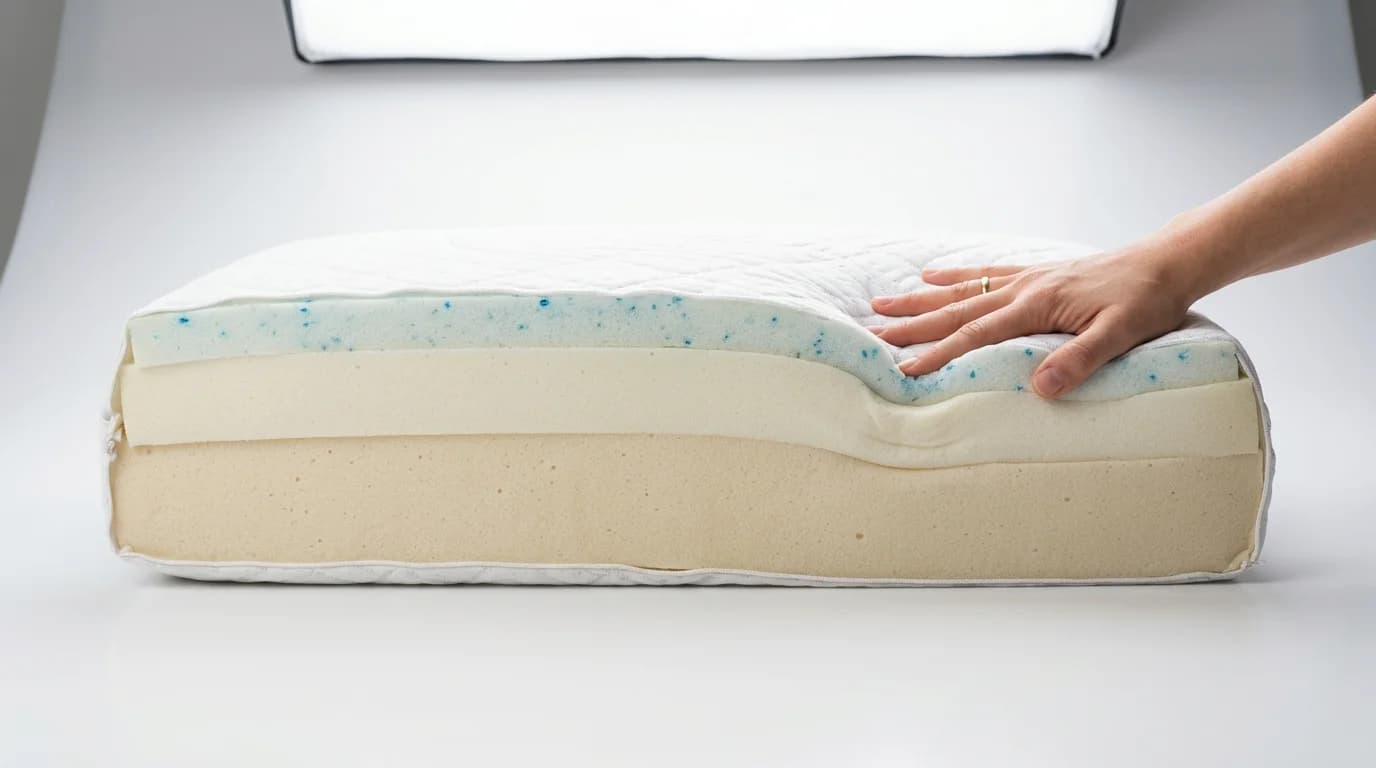
Verkligheten: Fasthet i sig avgör inte om en kudde stöder nacken ordentligt. Det som spelar roll är om kudden håller din cervikala ryggrad i en neutral position — och det beror på konturen, höjden och din sovställning, inte bara hur fast den känns.
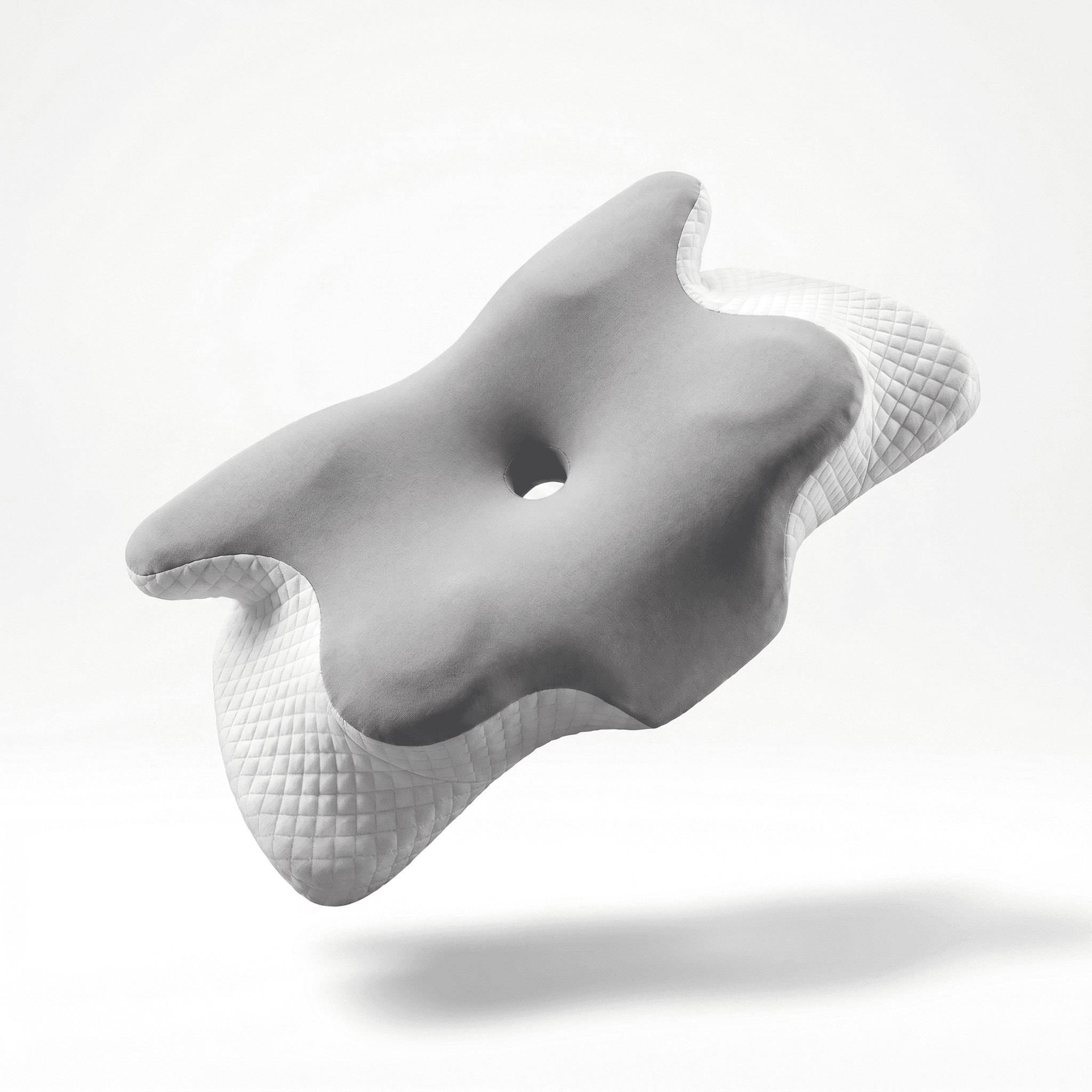
En stenhård kudde kan trycka upp huvudet i en vinkel som är precis lika dålig som en mjuk kudde som låter huvudet sjunka för djupt. Rätt kudde har korrekt höjd och form för din kropp och position — som The Sleeprs butterfly contour med dedikerade zoner för rygg-, sido- och magläge.
Myt 6: Att titta på TV hjälper dig varva ner
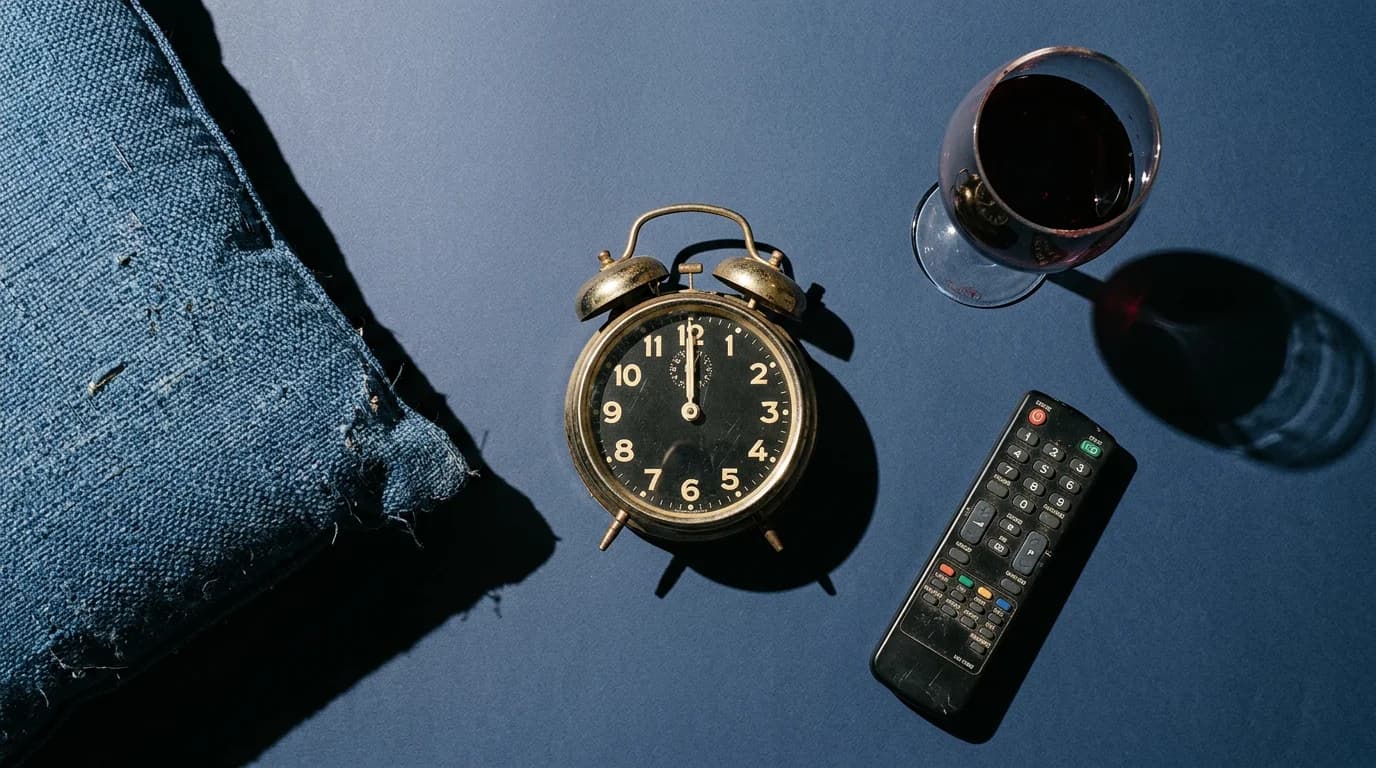
Verkligheten: Blått ljus från skärmar hämmar melatonin, och engagerande innehåll håller hjärnan aktiv när den borde gå in i sömnläge. Vissa somnar med TV:n på, men sömnstudier visar att de skiftande ljud- och ljusmönstren utlöser mikrouppvaknanden genom hela natten. Du "sover" men du får inte djup, återhämtande vila.
Om du behöver bakgrundsljud, använd en white noise-maskin. Om du behöver en nedvarvningsrutin, prova att läsa en fysisk bok.
Myt 7: Du kan träna dig att behöva mindre sömn
Verkligheten: Du kan vänja dig vid att vara trött. Det är inte samma sak som att behöva mindre sömn. Studier med objektiva prestandatester visar att personer som hävdar att de fungerar bra på 5–6 timmar fortfarande uppvisar mätbara brister i reaktionstid, beslutsfattande och minne — de har bara slutat märka hur nedsatta de är.
Sömn är ingen lyx du kan förhandla bort. Det är ett biologiskt behov.
Sammanfattning
God sömn börjar med korrekt information. Halva kampen handlar om att avlära sig myterna som leder till dåliga vanor. Den andra halvan handlar om att få grunderna rätt: konsekvent schema, mörkt och svalt rum, och en kudde som faktiskt stöder din nacke — inte en som bara kändes skön i butiken i 30 sekunder.
6 min läsning