Utmärkt
Sommarrea på kuddarUpp till 50% rabatt
Sommarrea på kuddarUpp till 63% rabatt
Vetenskapen
Varje kontur, zon och materialtäthet bygger på forskning om nackens biomekanik och är framtagen tillsammans med legitimerade kiropraktorer. Två års utveckling. En kudde som fungerar.
2
års utveckling
Iterativa prototyper tillsammans med kiropraktorer och specialister på nackbesvär
5
ergonomiska stödzoner
Varje zon är kalibrerad för en specifik anatomisk funktion
96%
sover bättre
Inom de första 14 dagarna efter bytet till The Sleepr
Biomekanik
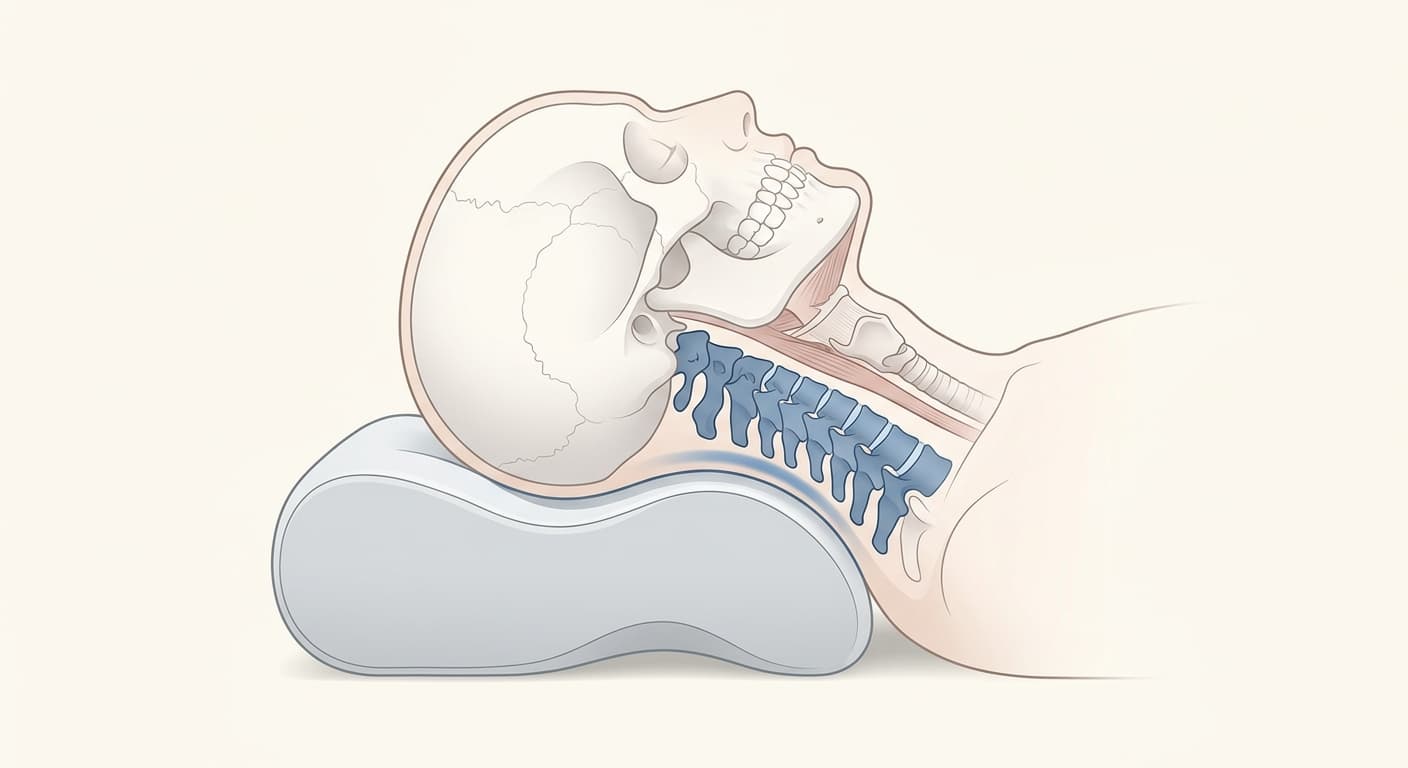
Din halsrygg har en naturlig framåtböjning, den lordotiska kurvan, som löper genom kotorna C1 till C7. Kurvan bär upp huvudets vikt och skyddar ryggmärgen. En platt kudde trycker ut den. När nackkurvan försvinner måste musklerna runt halsryggen kompensera genom att arbeta hela natten. Resultatet blir morgonstelhet, nackspänningar och huvudvärk som verkar komma från ingenstans.
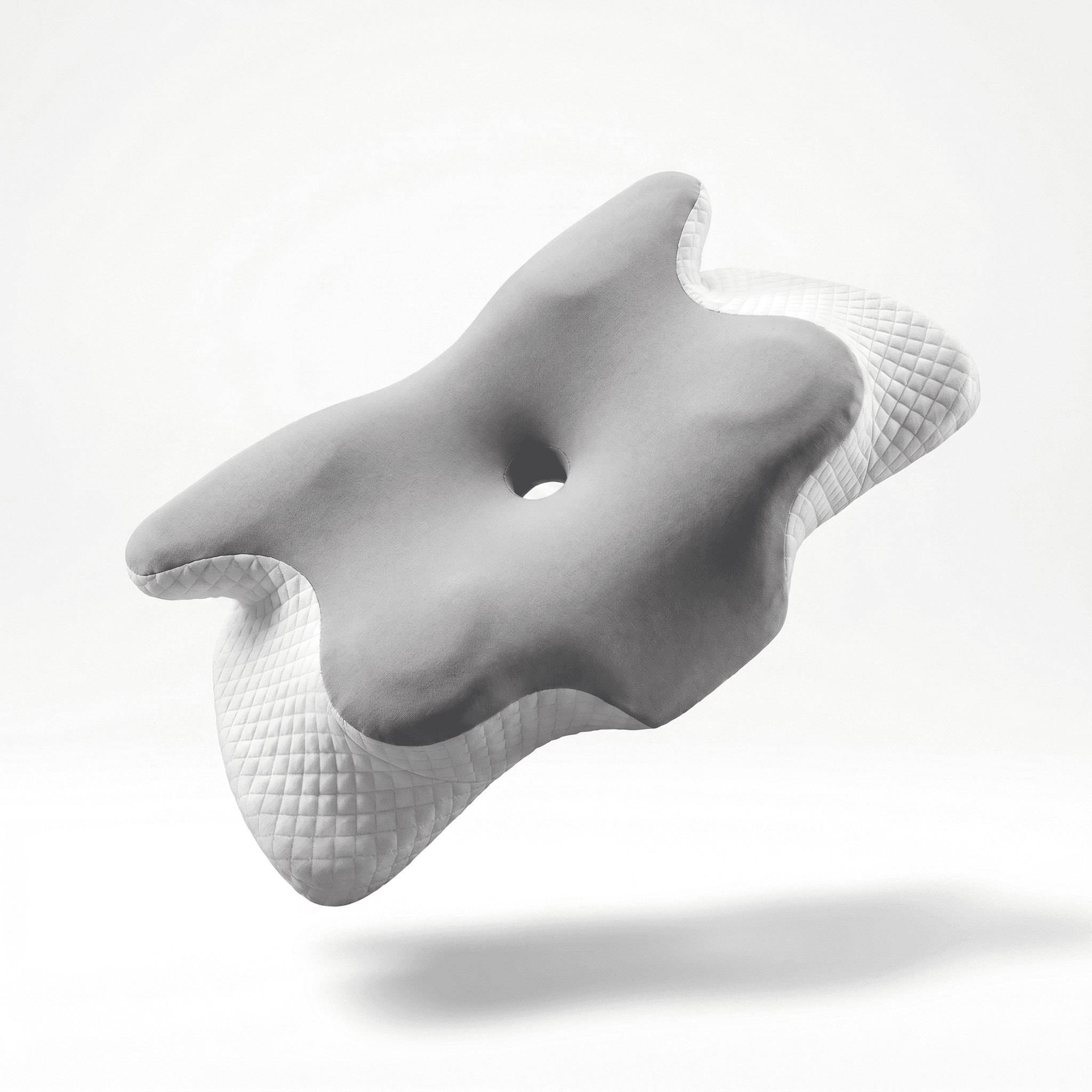
The Sleeprs konturerade form är skapad för att bevara den här kurvan i varje sovställning. Den upphöjda nackbryggan stödjer nackens naturliga båge, medan den nedsänkta huvudzonen låter huvudet vila utan att hakan pressas mot bröstet. Kotorna hålls i linje och musklerna får vila.
Zonuppbyggnad
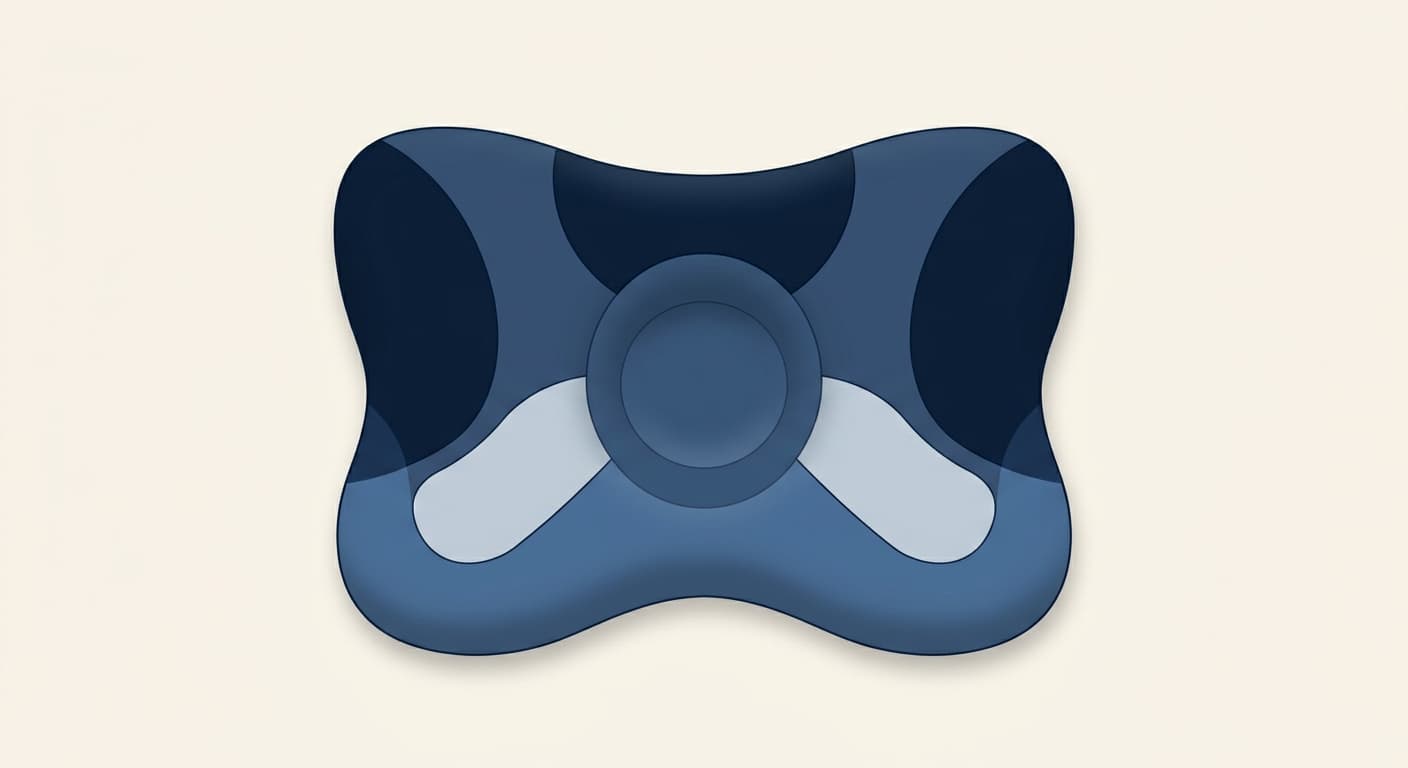
Huvud, nacke och axlar har olika vikt, kurvor och tryckpunkter. En enda platt yta kan inte stödja alla tre. The Sleepr fördelar stödet över fem individuellt kalibrerade zoner:
Nackbrygga
Fyller gapet mellan nacke och madrass och bevarar nackens naturliga kurva utan att tvinga den framåt eller bakåt
Huvudvagga
Nedsänkt mittzon som stödjer bakhuvudet utan att pressa huvudet framåt
Axelavlastning
Formade kanter som ger plats åt axelbredden och minskar trycket för dig som sover på sidan
Sidovingar
Upphöjda sidosektioner fyller gapet mellan axel och öra så att ryggraden hålls rak
Ryggsovarkontur
Bakre vingstöd som stabiliserar huvudet och hindrar det från att rulla åt sidan när du sover på rygg
Materialvetenskap
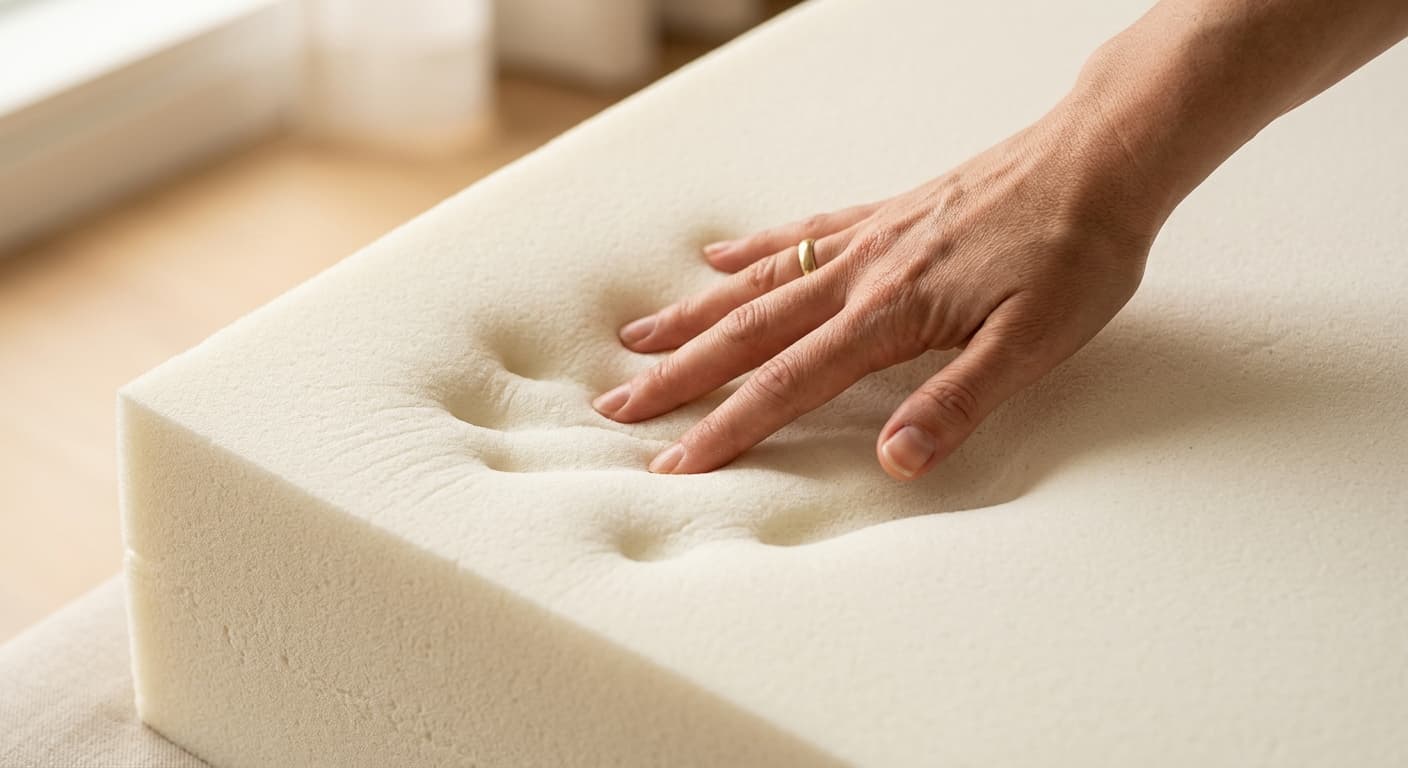
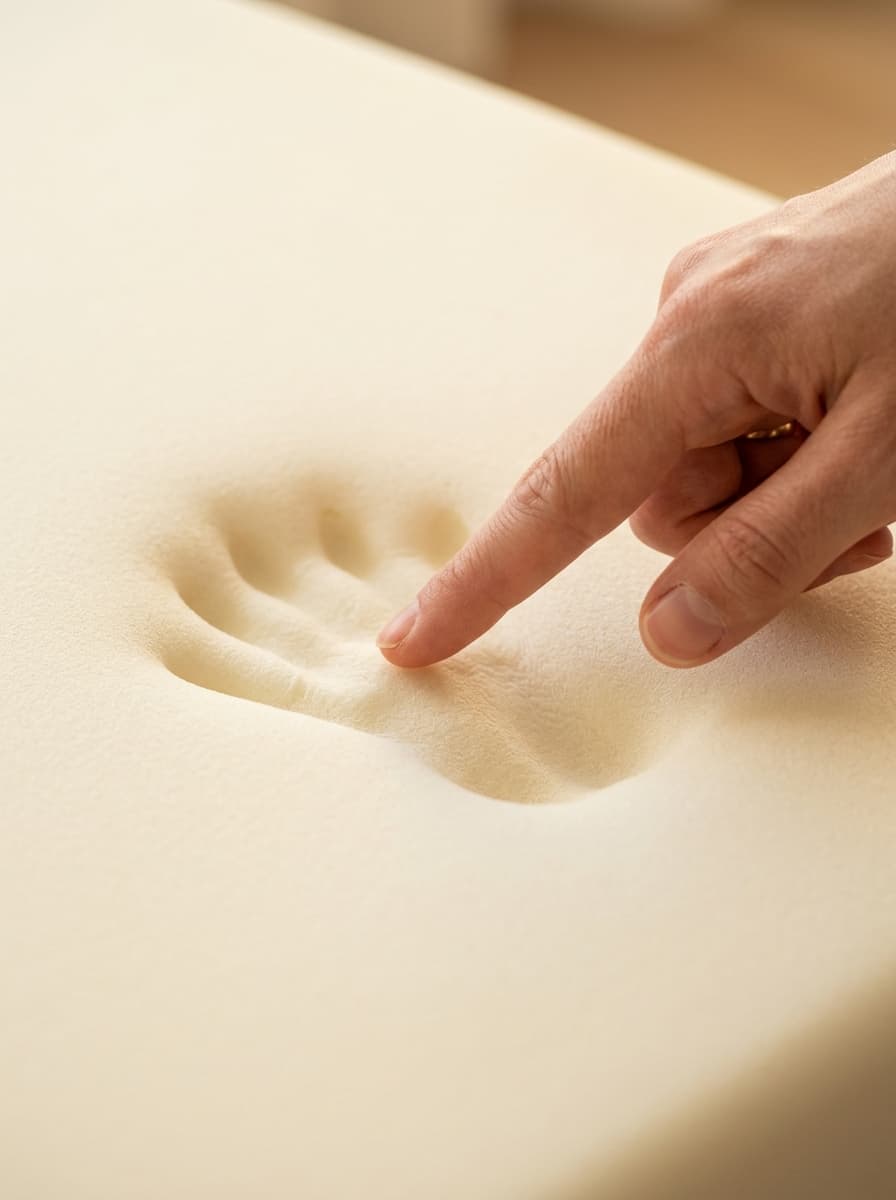
Viskoelastiskt polyuretanskum utvecklades på 1960-talet för att förbättra stötdämpningen i flygplanssäten. Dess viktigaste egenskap är att det formar sig efter värme och tryck och sedan långsamt återgår till sin ursprungliga form. I en kudde betyder det att skummet följer huvudets och nackens konturer och fördelar vikten jämnt istället för att skapa hårda tryckpunkter.
The Sleepr använder en högdensitetsformulering på 60-80 kg/m³ som ger stabilt stöd natt efter natt. Skum med lägre densitet kan kännas mjukt i början men trycks ofta platt på några veckor och tappar hela sin ergonomiska profil. Den långsamma återgången är också viktig: när du byter ställning under natten anpassar sig skummet gradvis istället för att trycka emot. Du får kontinuerligt stöd utan att behöva vakna och justera kudden.
Temperaturreglering
När du går in i djupsömn sjunker kroppstemperaturen naturligt. Den temperaturväxlingen är viktig för den sömnfas där kroppen reparerar vävnad, stärker immunförsvaret och lagrar minnen. En kudde som håller kvar värme stör den processen.
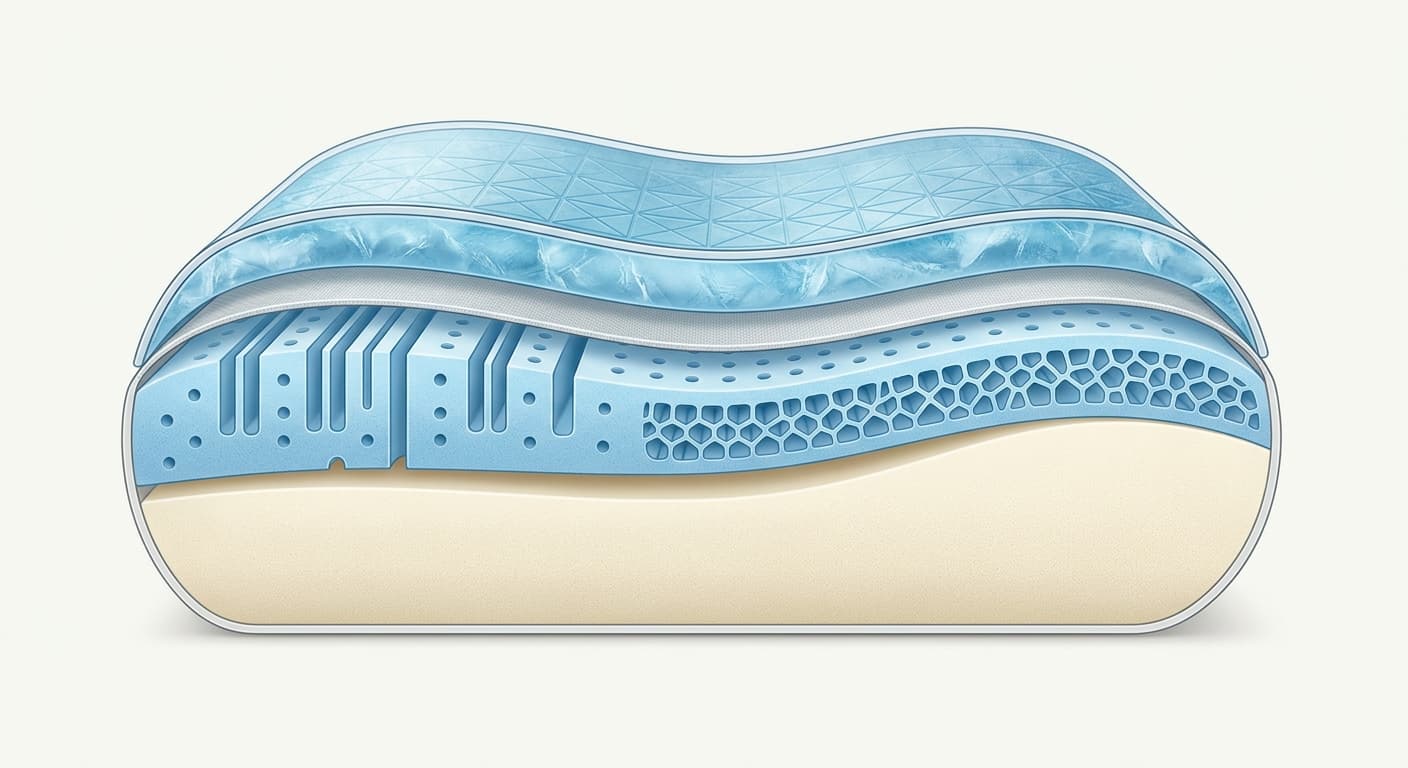
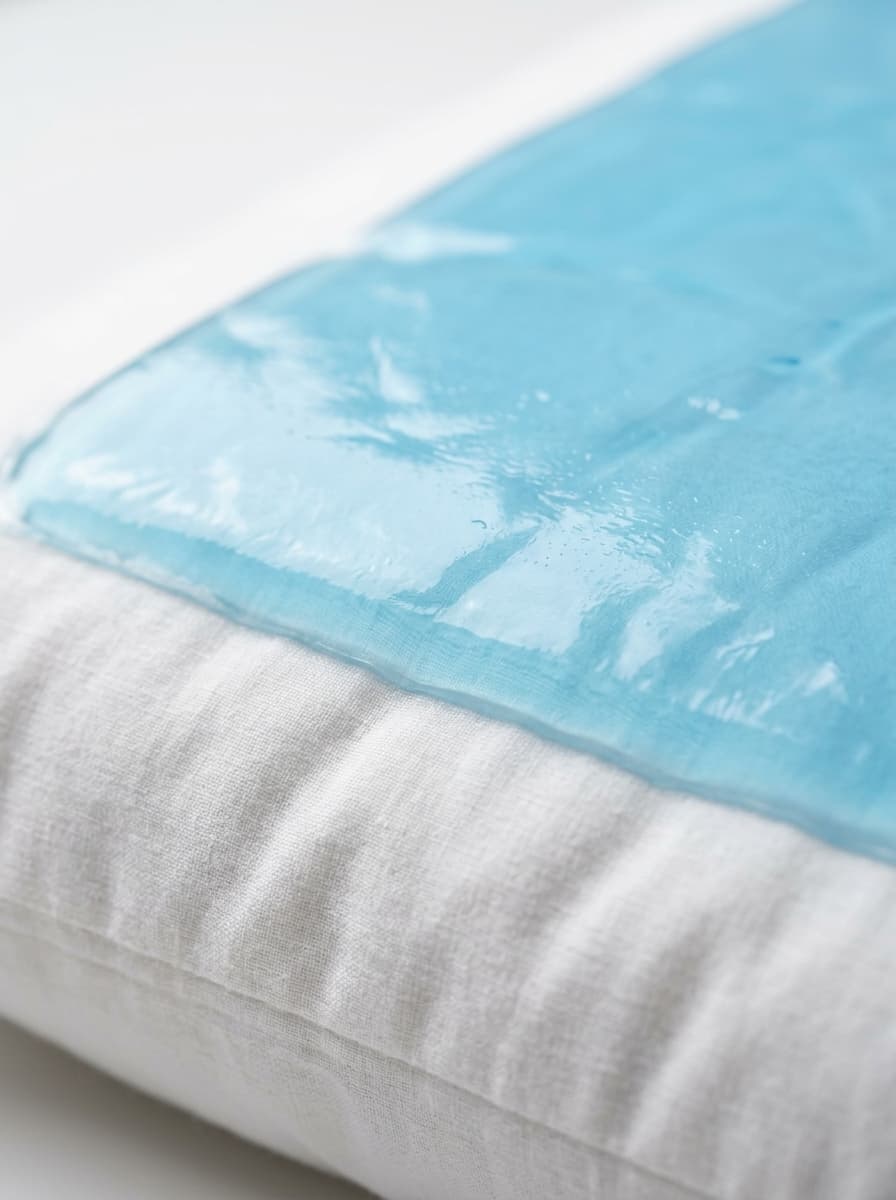
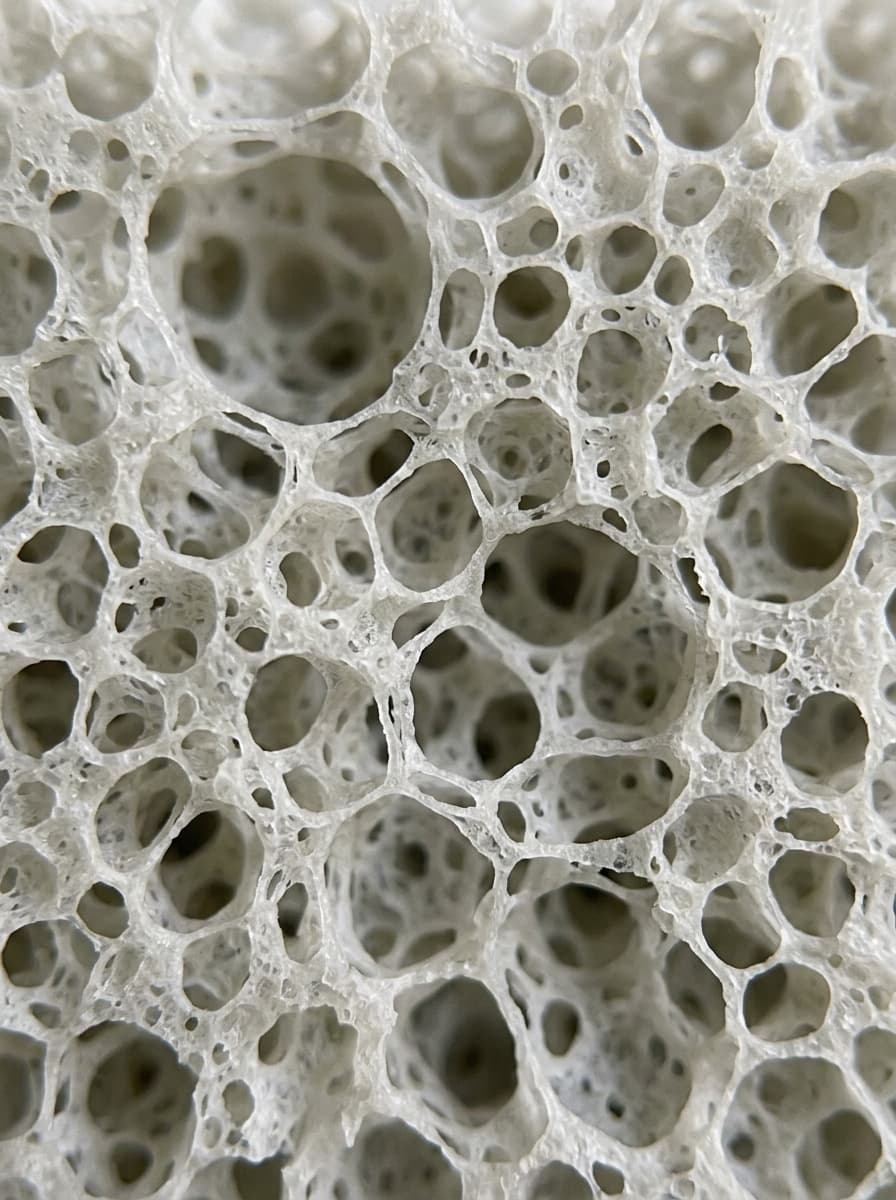
The Sleepr har en cool-touch-teknik under ytan som hjälper till att leda bort värme från huden och hålla ytan 2-3 °C svalare än traditionell memory foam. Under gellagret skapar en öppen ventilationsstruktur ett jämnt luftflöde genom skumkärnan. Resultatet är en sovyta som stödjer kroppens naturliga temperaturreglering istället för att motarbeta den.
Konstruerade lager
Utvecklad med kiropraktorer
The Sleepr utvecklades under två år i nära samarbete med legitimerade kiropraktorer som behandlar nackbesvär varje dag. Varje detalj, från zonhöjder och skumdensitet till konturvinklar och axelutskärningar, bygger på kliniska observationer av hur personer med nacksmärta faktiskt sover.
Kiropraktorerna var med från första prototyp till färdig produkt och testade varje version mot verkliga resultat: mindre morgonstelhet, färre spänningshuvudvärkar och bättre rörlighet i nacken.
Fjärilskonturen hjälper till att hålla nacken i rätt läge på ett sätt som de flesta kuddar helt enkelt inte gör. Jag har rekommenderat den till patienter med kronisk nackspänning och återkopplingen har varit överväldigande positiv. Det är så ergonomiskt stöd ska kännas.

Dr. James Turner, DC
Legitimerad kiropraktor
Testa The Sleepr i 30 nätter. Om din nacke inte känner skillnad returnerar du den och får pengarna tillbaka, utan frågor eller avgifter.
Köp The SleeprFri frakt · 30 dagars garanti · 96% rekommenderar